

Table of Contents
Best Home Improvements and Financing Strategies
Table of Contents
Introduction
Which Home Improvements Deliver the Most Value and Comfort
Comfort and Livability
Maintenance and Repair
Additional Living Space
Energy Efficiency and Safety
Overview of Financing Options
How to Apply for a Loan for Home Improvements
Choosing the Right Contractor
Tax Implications of Home Improvements
Planning and Budgeting Tips
Conclusion
Introduction
Home improvement decisions combine lifestyle goals, resale value, and financing choices. This article explores the Best Home Improvements and Financing Strategies for Homeowners, helping you identify upgrades that boost comfort and value while managing your budget wisely. It compares loan options, explains how to qualify for home improvement loans, highlights contractor selection with real industry examples, and summarizes key tax implications so homeowners can plan smart, affordable renovations.
Which Home Improvements Deliver the Most Value and Comfort
Home improvement refers to renovating, remodeling, or adding features to enhance appearance, comfort, and value. Projects range from simple repairs to major upgrades. Understanding the Best Home Improvements and Financing Strategies for Homeowners helps maximize comfort and long-term savings.
Comfort and Livability
Modern homeowners focus on improving comfort and usability.
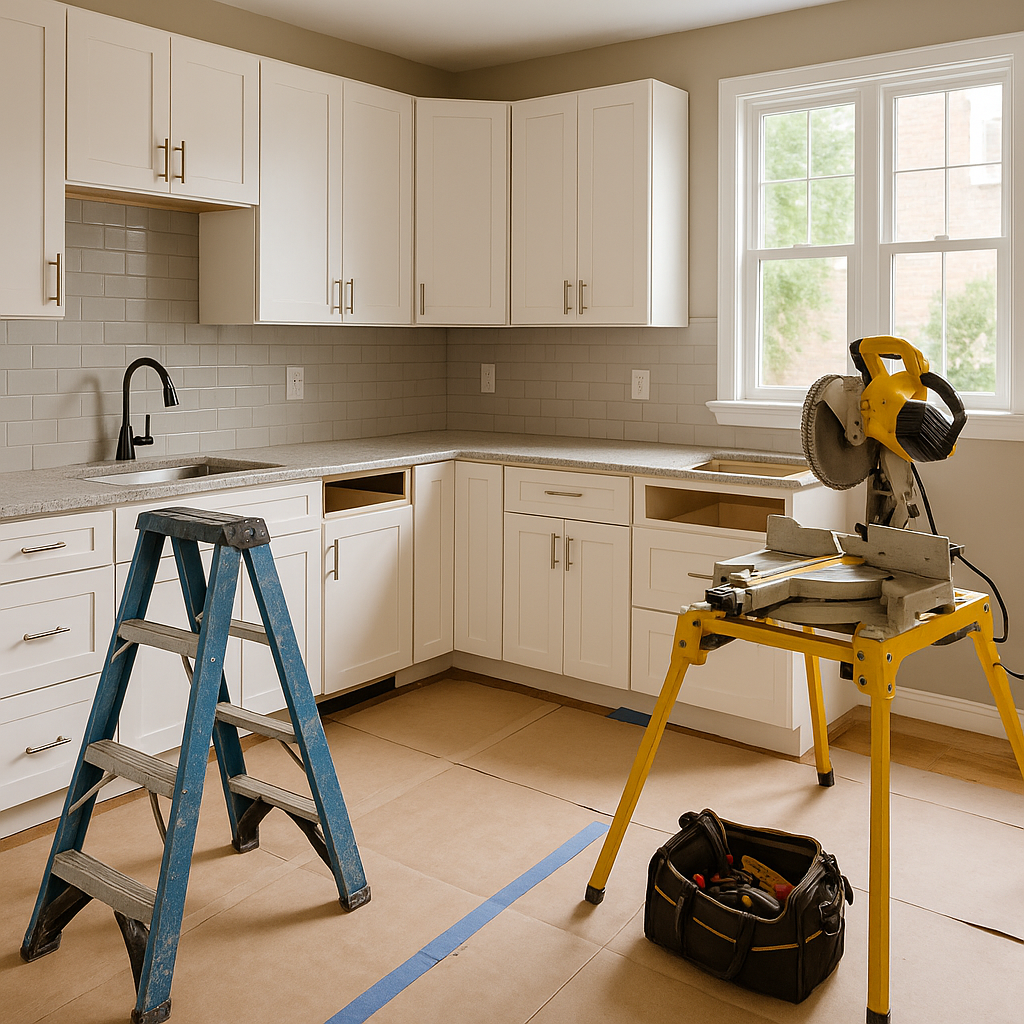
Kitchen remodel or refresh – A top feature for resale and daily function.
Bathroom updates – Enhance comfort and increase desirability.
New flooring – Improves appearance and market appeal.
Smart home integrations – Boost convenience and efficiency.
By applying the Best Home Improvements and Financing Strategies for Homeowners, these upgrades become affordable investments that enhance quality of life and property value.
Maintenance and Repair
Addressing basic upkeep helps preserve your home’s value and prevent future expenses:
Roof replacement or repair – Prevents structural damage.
Exterior painting or siding – Improves protection and curb appeal.
Plumbing or electrical updates – Ensures safety and reliability.
Using strategic financing within the Best Home Improvements and Financing Strategies for Homeowners makes these essential projects more accessible and sustainable.
Additional Living Space
Expanding your home creates comfort and long-term value:
Basement finishing – Adds usable family or recreation space.
Attic conversion – Maximizes existing square footage.
Room or second-story additions – Substantially increase resale potential.
Each fits within the Best Home Improvements and Financing Strategies for Homeowners when planned with equity-based or flexible loan options.
Energy Efficiency and Safety
Energy-efficient and safety-focused improvements reduce bills and increase security:
Insulation upgrades – Improve comfort and lower energy costs.
Replacement windows and doors – Enhance comfort and resale value.
HVAC replacement – Improves air quality and reliability.
Security and fire alarms – Protect families and property.
These upgrades align perfectly with the Best Home Improvements and Financing Strategies for Homeowners because they combine comfort, savings, and strong ROI.
Overview of Financing Options
Here’s how different products fit into the Best Home Improvements and Financing Strategies for Homeowners:
Home Equity Loan – Ideal for large, predictable-cost projects.
HELOC – Flexible borrowing for ongoing renovations.
Cash-Out Refinance – Great for consolidating debt and improving property.
Personal Loans – Quick financing without using home equity.
Contractor Financing – Convenient for small to mid-size projects.
Government and Utility Programs – Perfect for energy-efficient or specialized improvements.
(Internal link suggestion: Explore Mopgun.com for updated guides on financing tools and loan comparisons.)
How to Apply for a Loan for Home Improvements
To follow the Best Home Improvements and Financing Strategies for Homeowners, you should:
Assess your project scope and budget.
Check equity and credit score.
Gather necessary documents.
Compare loan offers carefully.
Understand contractor payment terms.
Proper documentation and planning ensure you secure the right financing while protecting your investment.
Choosing the Right Contractor
Selecting a trustworthy contractor is critical to executing the Best Home Improvements and Financing Strategies for Homeowners.
Look for licensed, insured professionals with solid references and transparent contracts.
Examples include reputable firms such as Alure Home Improvement or Capital Home Improvements, known for reliable service and fair financing options.
Always verify reviews, request detailed estimates, and confirm all permits and warranties before work begins.
Tax Implications of Home Improvements
Understanding tax rules is also part of the Best Home Improvements and Financing Strategies for Homeowners.
While most repairs aren’t deductible, capital improvements add to your home’s basis and may reduce capital gains upon sale.
Keep detailed records—contracts, invoices, and before/after photos—to support claims or deductions.
Energy-efficient upgrades may also qualify for rebates or tax credits depending on your location.
Planning and Budgeting Tips
Before launching your renovation, plan strategically.
Set a clear budget with a 10–15% contingency for unexpected costs, get at least three written estimates from contractors, and research loan pre-approvals early.
Integrating the Best Home Improvements and Financing Strategies for Homeowners into your planning ensures your project stays on schedule, financially manageable, and aligned with your goals.
Tracking expenses, milestones, and warranty documents will make future refinancing, tax reporting, or resale documentation much easier.
Conclusion
The Best Home Improvements and Financing Strategies for Homeowners balance comfort, value, and financial responsibility.
Focus on upgrades that enhance livability, efficiency, and resale potential.
Compare loan options carefully, vet contractors thoroughly, and maintain organized records for tax and resale benefits.
By applying these best practices, homeowners can achieve lasting comfort, financial stability, and long-term property value.
For expert guidance on financing and renovation planning, explore NerdWallet’s Home Improvement Loan Guide to compare current loan programs and qualification requirements.
According to Lowe’s official home improvement resources, choosing high-efficiency materials can improve comfort and resale potential.
The U.S. Department of Energy also provides verified insights on sustainable home upgrades and energy-saving strategies.
For curated recommendations, store policies, and trusted resources that shape the Best Home Improvements and Financing Strategies for Homeowners, explore Mopgun.com — your reliable source for expert renovation ideas, product comparisons, and financing insights.